
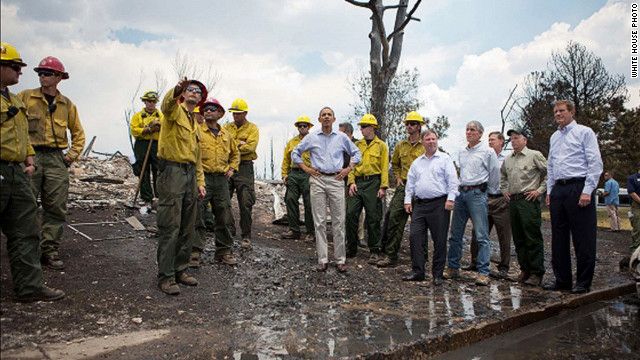
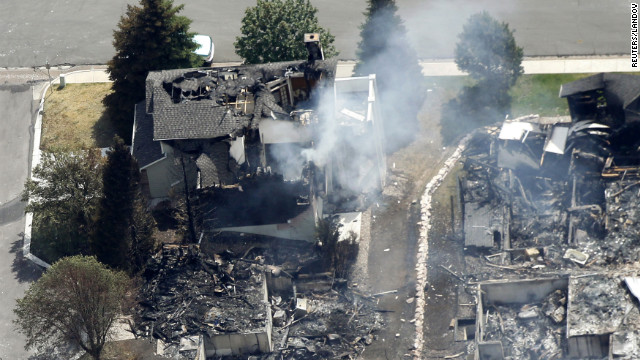
" border="0" height="360" id="articleGalleryPhoto001" width="640"/>President Barack Obama tours fire damage with elected officials and firefighters in the Mountain Shadows residential neighborhood in Colorado Springs, Colorado, on Friday, June 29. The massive fire has destroyed hundreds of homes and forced more than 36,000 people to flee.


1

2

3

4

5

6

7

8

9

10

11

12

13

14

15

16

17

18

19

20

21

22

23

24

25

26

27

28

29

30

31

32

33

34

35

36

37

38

39

40

41
- The so-called Waldo Canyon Fire is 25% percent contained, InciWeb says
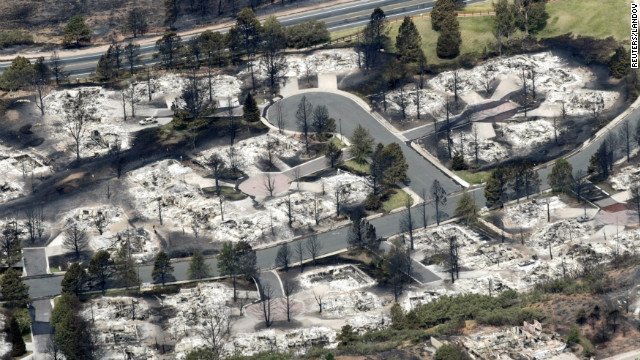
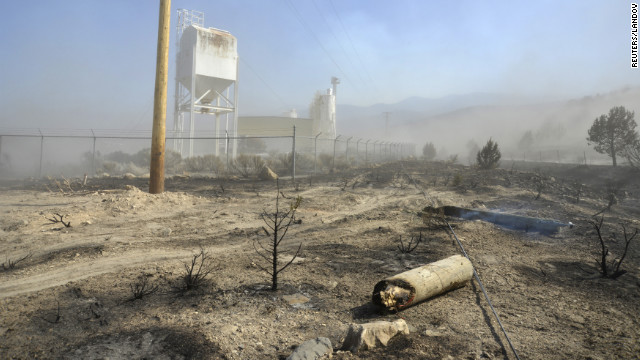
- The fire has destroyed nearly 350 homes and damaged at least two dozen more, officials say
- Authorities are allowing some of the 32,000 evacuated to return home
- A bus tour is scheduled to begin Sunday for about 4,000 people displaced by the fire
Are wildfires blazing near you? Share photos and videos with iReport, but please stay safe.
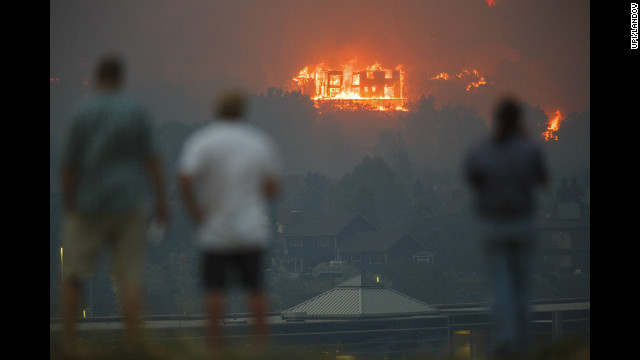
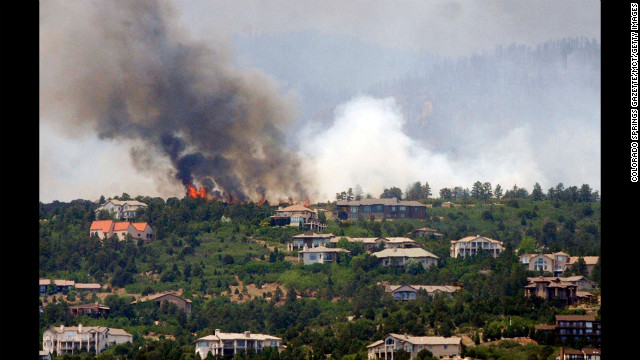
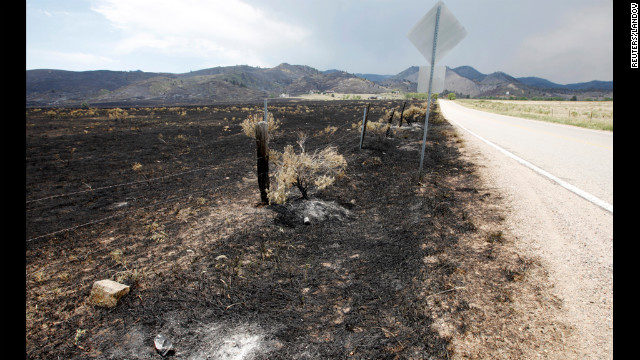
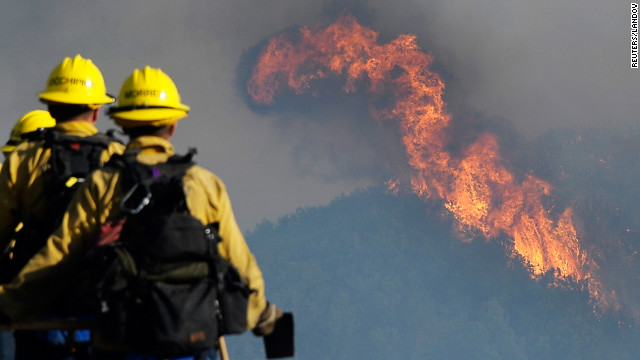
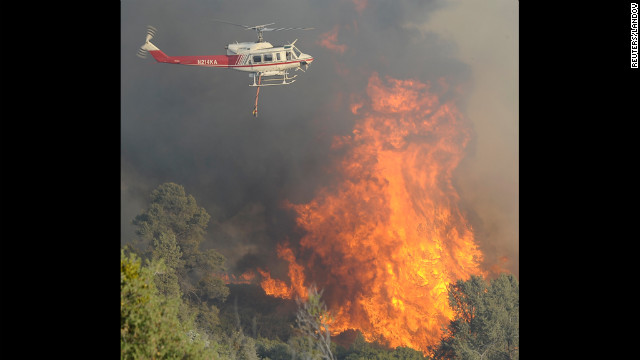
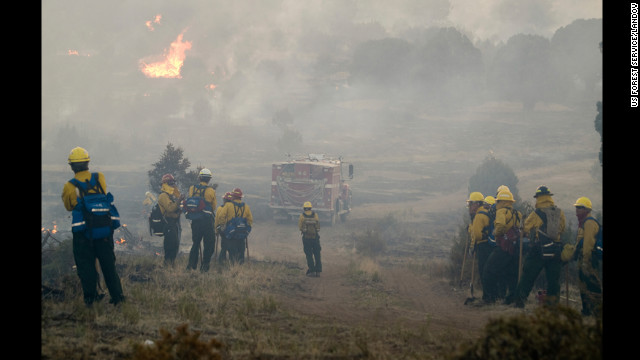
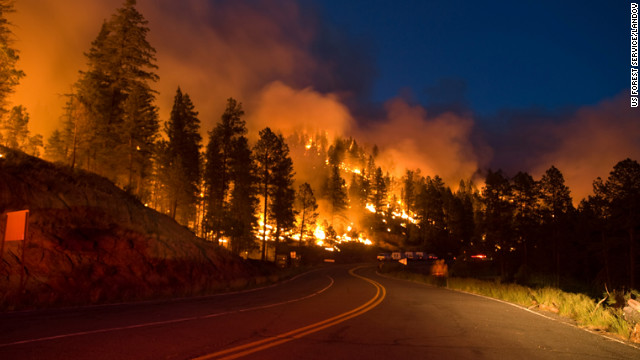
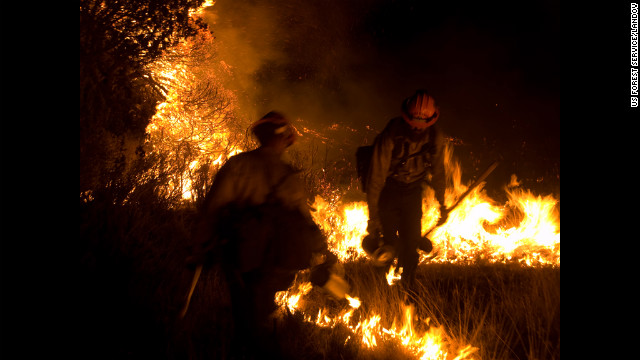
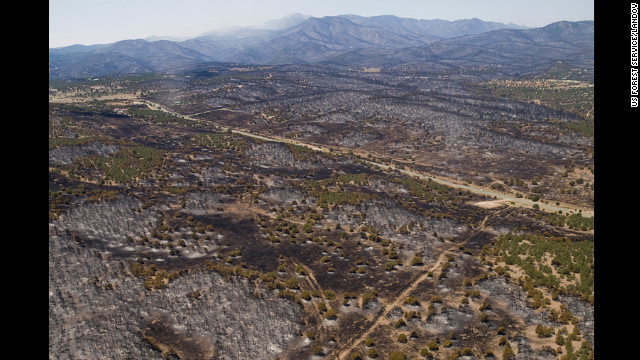
(CNN) -- As firefighters worked to gain the upper hand Saturday on a massive wildfire outside Colorado Springs that forced thousands to flee, the toll mounted: Nearly 350 homes destroyed, two dozen more damaged and two people dead.
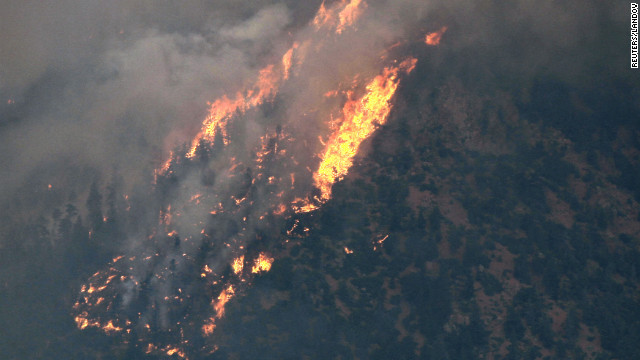
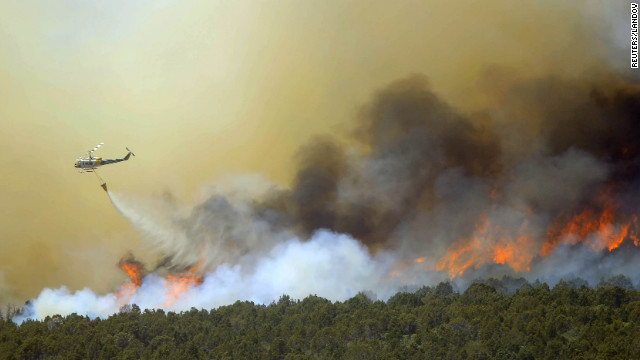
Officials warned the numbers are likely to increase as authorities get their first look at some of the harder hit areas, even as firefighters worked to contain the wildfire that continued to pose a threat to more than 20,000 homes and 160 businesses.
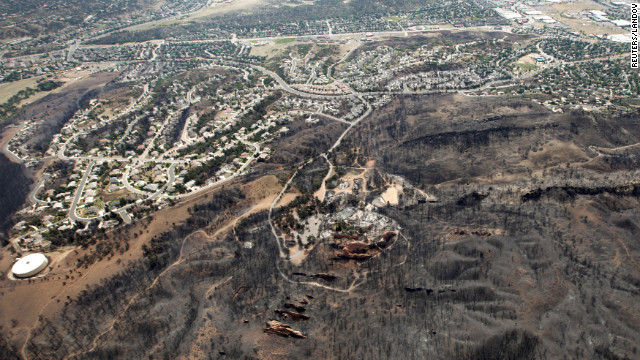
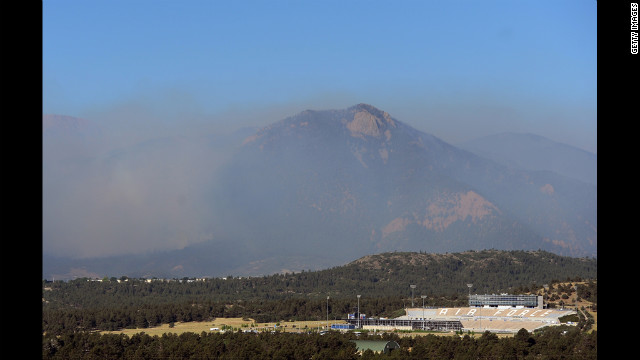
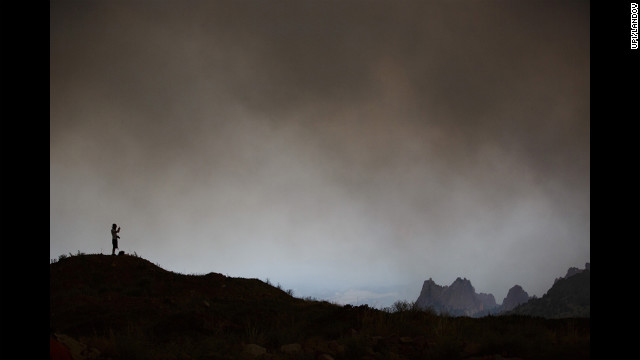
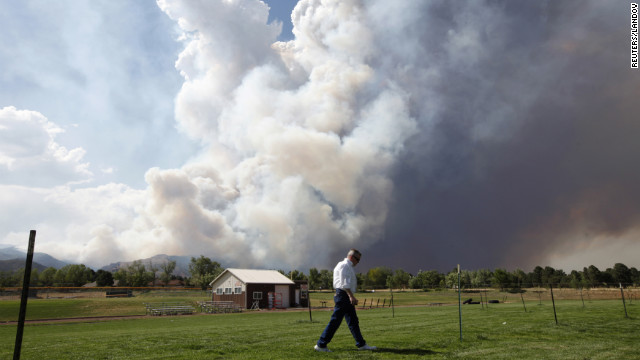
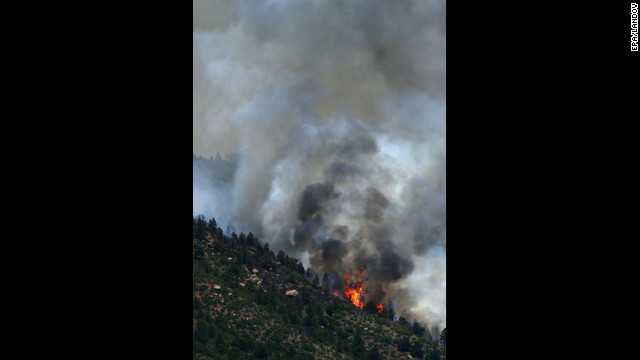
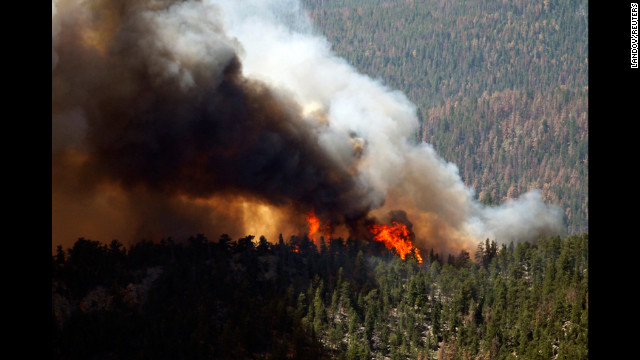
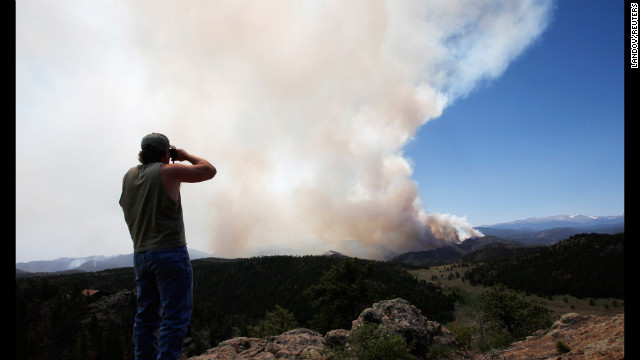
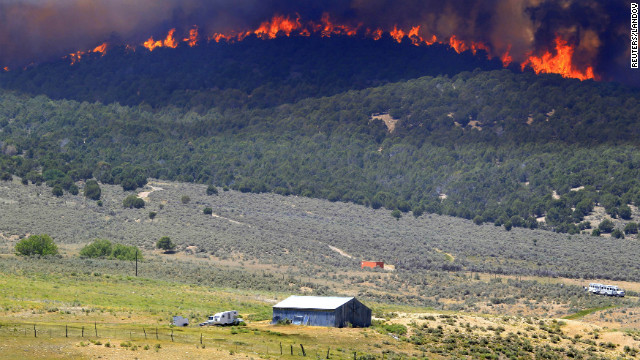
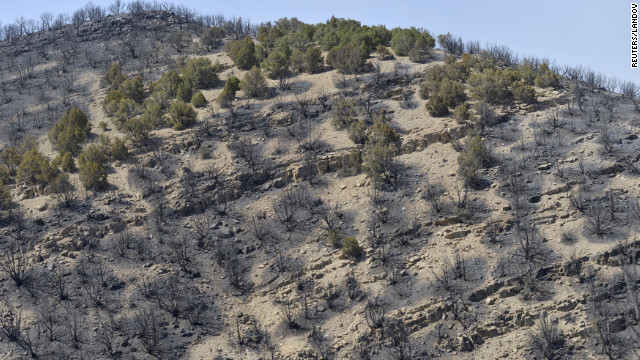
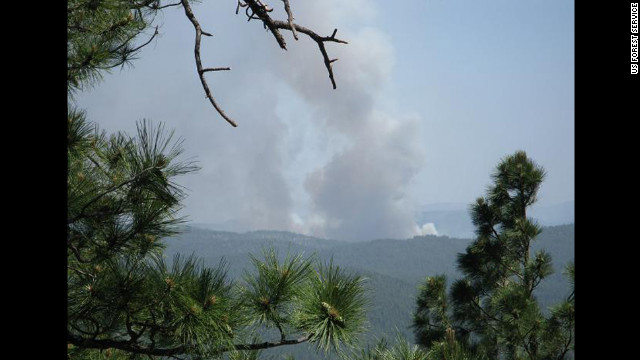
The so-called Waldo Canyon Fire has scorched more than 17,000 acres -- close to 27 square miles -- and brought fear, anxiety and grief to Colorado Springs, the state's second-largest city that was, until a few days ago, happily situated in the valley below picturesque Pikes Peak.
It was 25% contained by early Saturday morning, according to InciWeb, a multi-agency fire response website.
"We're very hopeful. It seems to be moving out of the area," Steve Cox, assistant to the Colorado Springs mayor, told CNN affiliate KKTV.
"But it is a long process. It's going to take us a long time to recover from this."
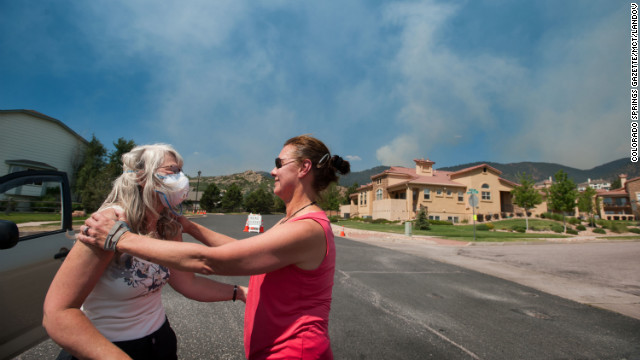
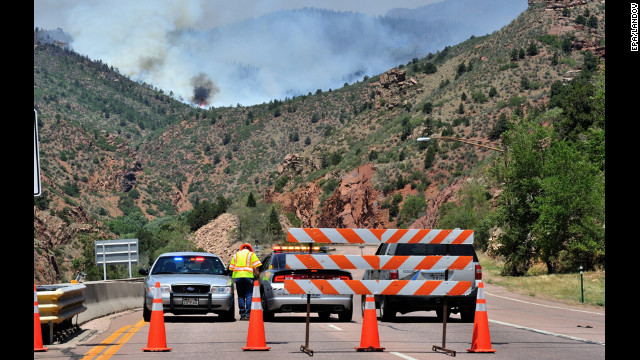
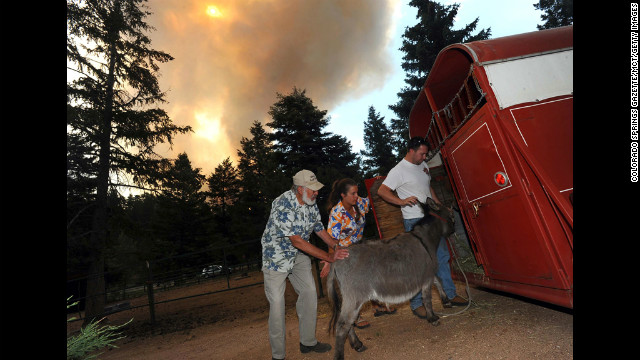
Hundreds of residents were allowed to begin returning home late Friday after authorities lifted evacuation orders in some areas. Thousands more waited for word when they would be able to go home.
Bus tours, meanwhile, were scheduled to begin Sunday for about 4,000 people whose neighborhoods were hit by the fire, Cox said.
"You'll be able to look at your property. You're not going to be able to get out and walk around the property because we're still in an active fire situation," he said.
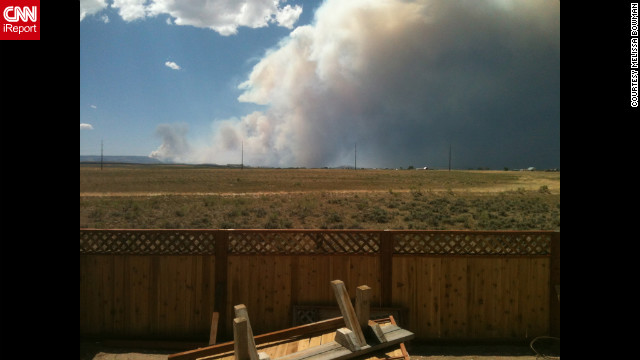
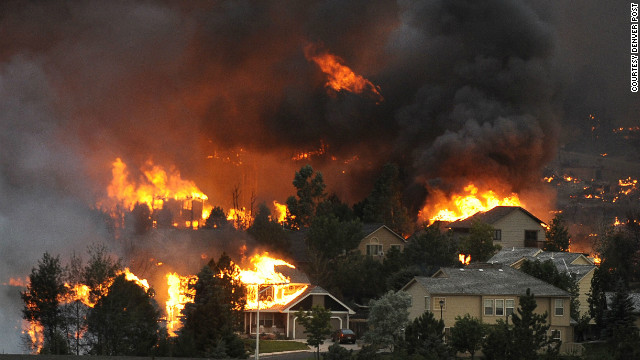
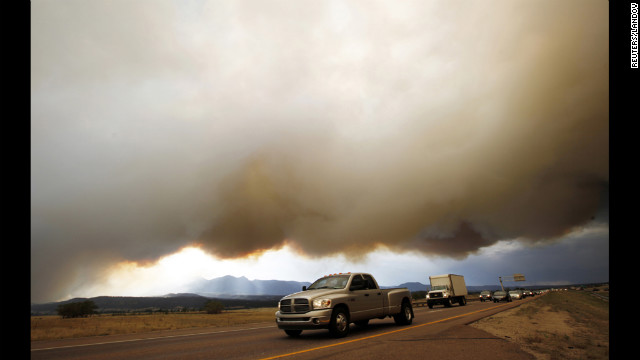
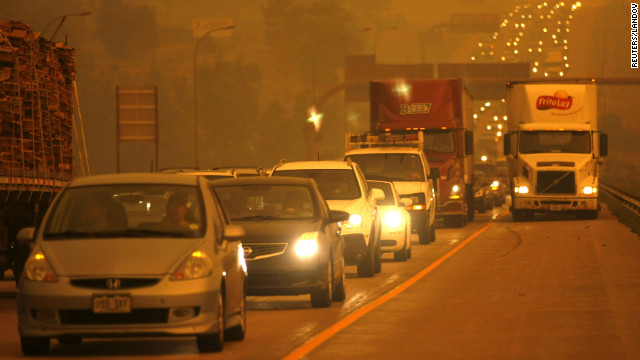
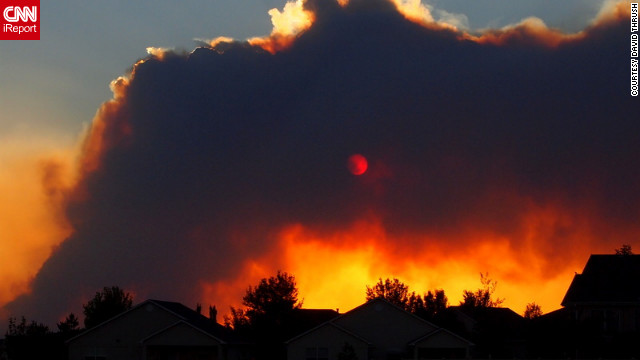
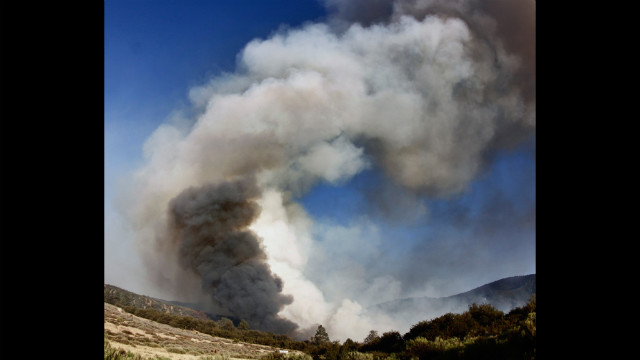
Barry Boulier was among the more than 36,000 forced to evacuate when 65 mph winds on Tuesday whipped the blaze into a firestorm that spewed ash and smoke "like a scene out of the movie Dante's Peak."
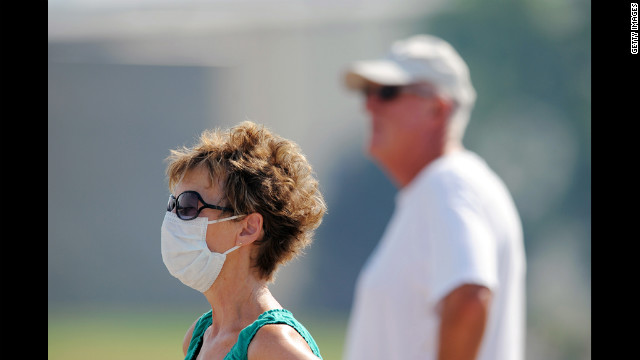
"It was ash and smoke so thick you could not see, and breathing was difficult," Boulier said in a CNN iReport posted Friday. "It happened so fast -- our only thought was leave NOW."
Boulier and his wife have been staying with family since they fled, though they have since learned their home was spared after firefighters stopped its advance in their backyard.
His neighbors, though, are not so lucky. Most of their houses, he said, have been burned.
"I'm kind of dreading returning," he said.
President Barack Obama declared Colorado a disaster area to allow federal dollars to help fight the Waldo Canyon Fire as well the High Park Fire, which has burned more than 87,000 acres and destroyed more than 200 homes in northern Colorado since it began on June 9.
"We have been putting everything we have into trying to deal with what is one of the worst fires we've seen here in Colorado," said Obama, who arrived in Colorado Springs on Friday to get a first-hand look at the devastation.
"We've still got a lot more work to do."
The U.S. Forest Service has warned it could be mid-July before the fire is fully under control.
A second death was announced Friday by Colorado Springs Police Chief Pete Carey, whose voice broke as he told reporters the body was found in the same gutted home where the first was discovered late Thursday.
Police spokeswoman Barbara Miller told CNN the remains were believed to be those of a couple reported missing by family members.
Carey and Miller did not immediately identify the couple.
Authorities, meanwhile, have begun a search for other possible victims after receiving telephone calls "from people who say they haven't heard from people," Miller told KKTV.
Colorado Springs authorities also are asking those who refused to evacuate to contact authorities with their whereabouts.
The cause of the fire, which has cost more than $6.9 million to fight, according to estimates posted on InciWeb, is still under investigation. The Denver office of the FBI joined agents from the Bureau of Alcohol, Tobacco, Firearms and Explosives, along with local authorities, in investigating reports that an arsonist may be responsible.
The wildfire is one of many fires burning in the West right now -- including in Idaho, Wyoming and Utah -- that are straining firefighting resources.
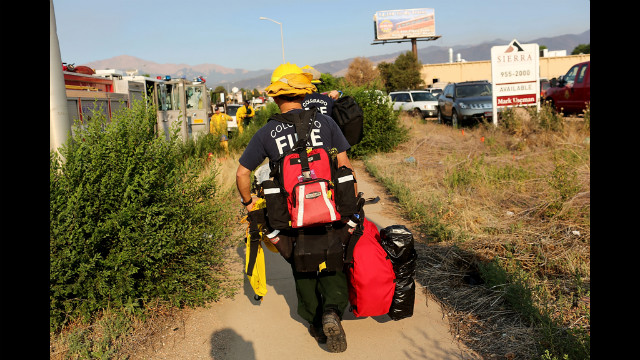
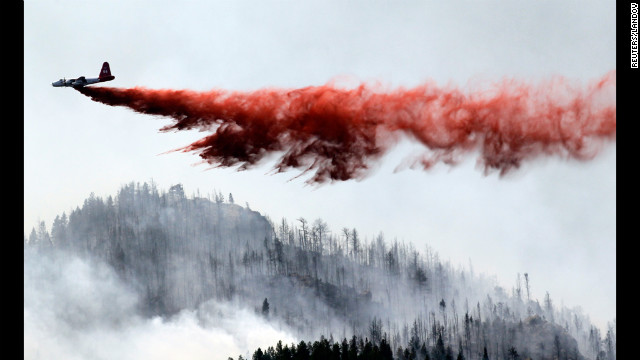
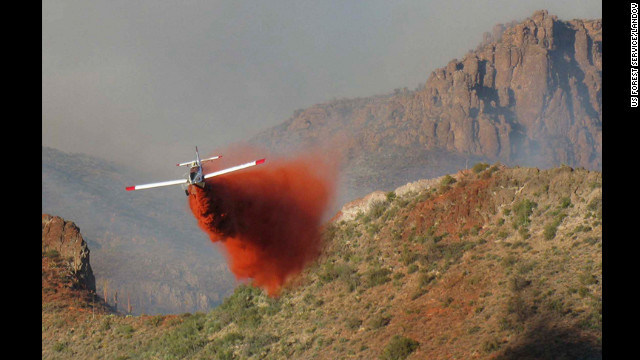
But the effort to tame the flames in Colorado got a boost Friday from the military, which is deploying eight of the U.S. Forest Service's Modular Airborne Firefighting Systems aboard C-130 aircraft. The systems will drop retardant on the Waldo Canyon Fire as well as other wildfires still burning in Colorado.
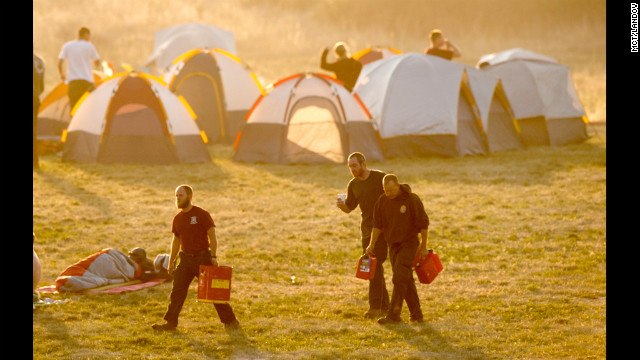
A battalion of U.S. Army troops from Fort Carson, Colorado, also began training Friday to fight wildfires. More than 500 troops are undergoing three days of training, according to Lt. Col. Steven Wollman, a spokesman for the 4th Infantry Division headquartered at the base just south of Colorado Springs.
A decision has not been made whether to send the troops into the Waldo Canyon Fire. The U.S. Forest Service would have to make a specific request for the troops to be sent in, after they complete the training.
Colorado is also getting some help from California, a state all too familiar with rampant wildfire destruction. Gov. Jerry Brown on Friday directed the California National Guard to lend Colorado two C-130J airplanes, equipped with the Modular Airborne Firefighting System II. About 30 crew members will go east with the aircraft.
CNN's Moni Basu, Greg Morrison and Dana Ford contributed to this report.
