
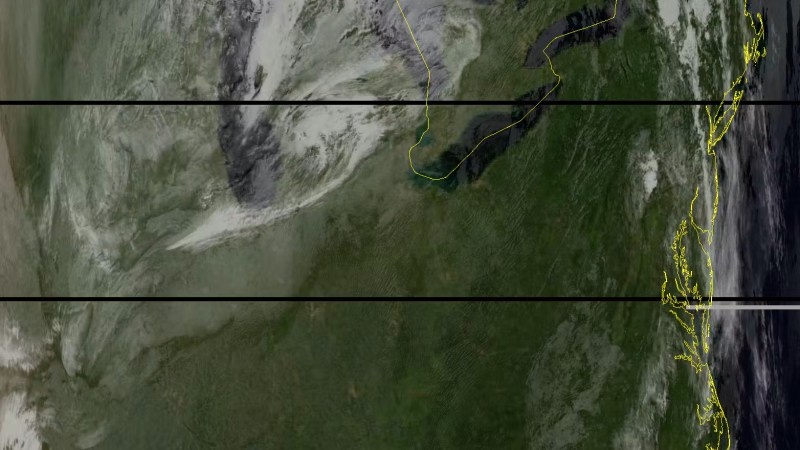
There’s nothing quite so nostalgic as the time honored tradition of tuning across the HF bands, picking out signals from the noise. Add satellites and VHF/UHF to the mix, then replace the old shortwave receiver with a smattering of software-defined radios. With an ESP32 controlled antenna switch (and the matching antennae), some Python, and a dash of Claude Code, and you’re approaching what [Tommy Lather] has done with his Starlab Observatory.
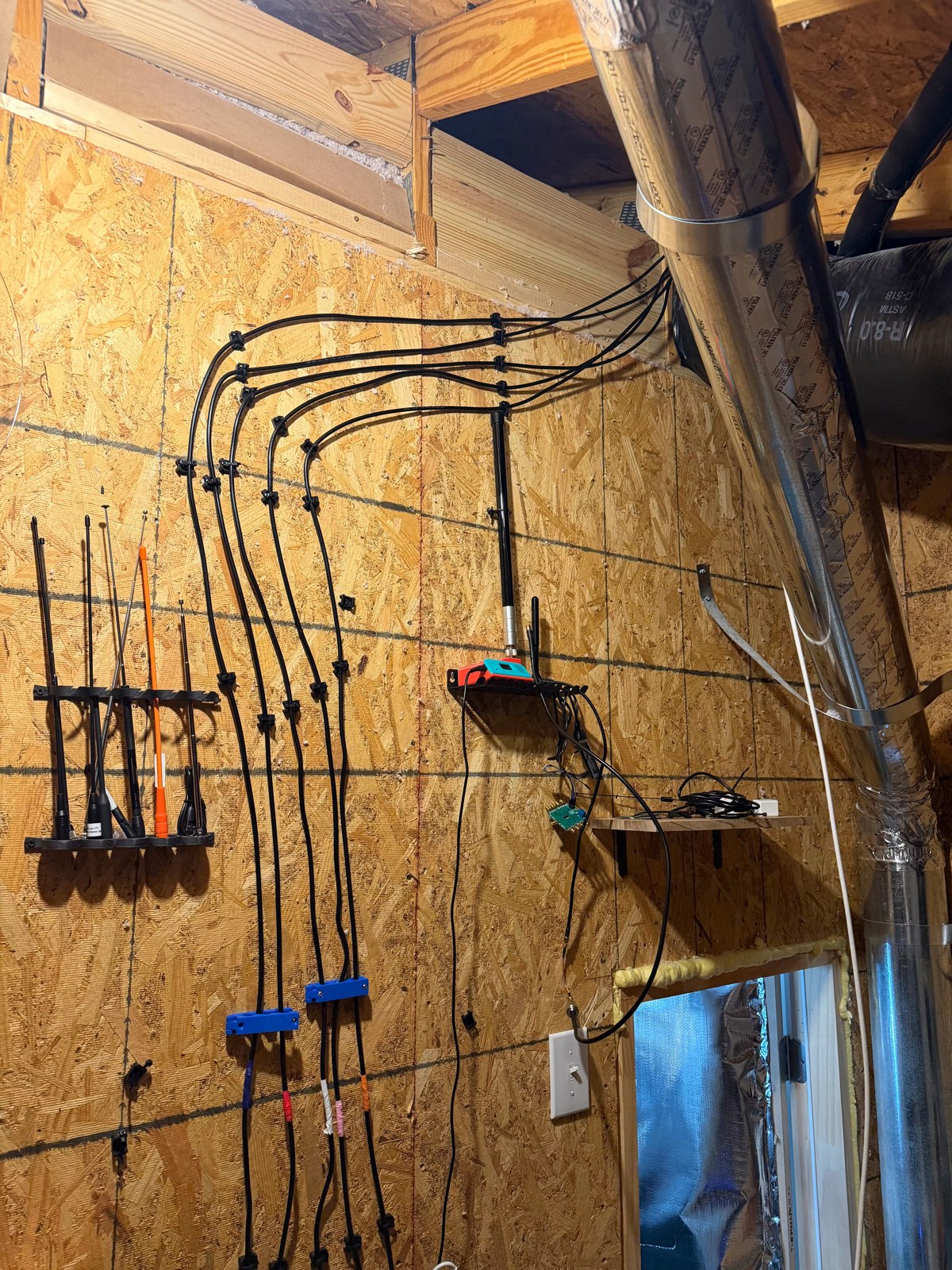
A neat installation makes maintenance and upgrades straightforward
Determined to find out what was inhabiting his local electromagnetic spectrum, [Tommy] picked up a cheap RTL-SDR receiver and an antenna. The goal? Receiving some ISS image transmissions. The results? Let’s say mixed. But it lit a fire, and soon, he had more hardware than he could handle on his own. The slope became slippery, and before he knew it, the Starlab Observatory was an Open Source GitHub Project!
What makes it an Observatory instead of a random menagerie of radio memorabilia? Intelligence. An ESP32 based antenna switch takes commands from a dedicated Ubuntu computer. The PC, running Starlab, predicts satellite passes, and selects the correct receiver and antenna combination to receive data, which then gets logged and processed. Multiple jobs can run at once. The RF spectrum doesn’t stand a chance!
We have to wonder if a fully programmable az-el mount such as the AntRunner isn’t in [Tommy]’s near future!