
- NEW: Sources: House GOP considering "nuclear option" of vote on Obamacare subsidies
- Congress plays legislative ping-pong with a shutdown hours away
- In a new poll, Americans spread the blame and say Congress acts like "spoiled children"
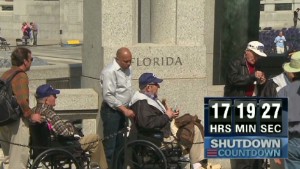
- A shutdown would be the first in more than 17 years
Washington (CNN) -- With a government shutdown looming, politicians in Washington were talking at each other Monday instead of negotiating a way to avoid it.
In the latest volley of legislative ping pong over a short-term spending plan needed to avoid a shutdown at midnight, Senate Democrats again rejected a House proposal that also would derail Obamacare.
The 54-46 Senate vote on strict party lines returned the focus to the Republican-led House, where sources inside a GOP caucus said leaders were planning to again attach provisions that would delay President Barack Obama's signature health care reforms from full implementation starting Tuesday.
Despite repeated rejection by the Democratic-led Senate and a veto threat by Obama, House Republicans may raise the stakes by also forcing a vote on a provision to eliminate government health care subsidies for members of Congress and their staff, the sources said.
Known as the nuclear option, the proposal would require Democrats protecting Obamacare by preventing harmful provisions from being added to spending measure to essentially vote in favor of giving themselves and their staff members government subsidies included in Obamacare.
The subsidies are similar to the health care coverage that private employers provide their workers.
Without congressional approval of spending legislation, parts of the federal government will begin shutting down when the current fiscal year ends at midnight, forcing agencies to furlough thousands of workers and curtail some services until there is a resolution.
"I feel sad about it. We expect more from our Congress," said Vick Temple, who works for the Federal Aviation Administration.
The public more broadly also doesn't like the idea of a shutdown and neither does Wall Street as nervous investors sent stocks lower.
But members of Congress persisted in blaming the other side as the shutdown deadline neared.

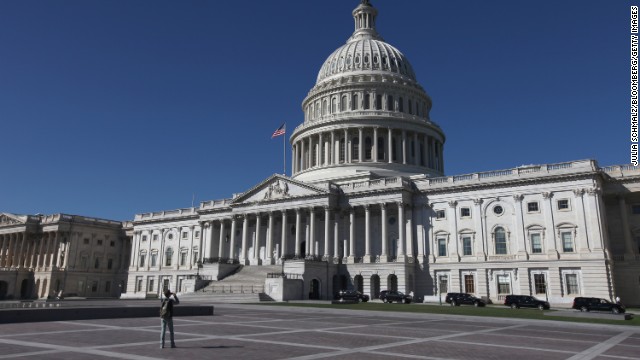
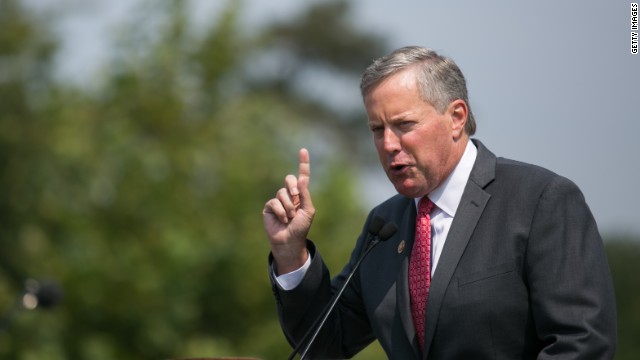
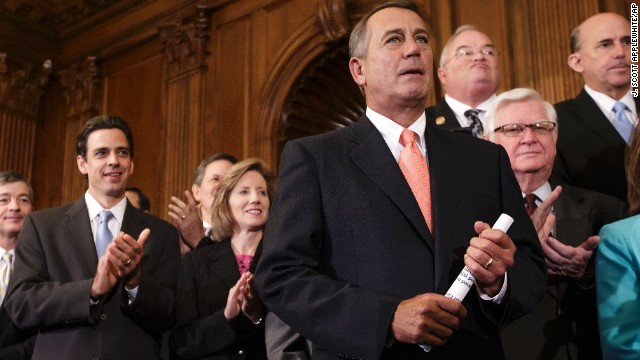
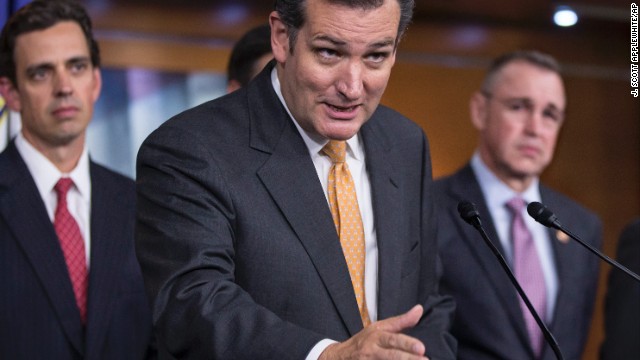
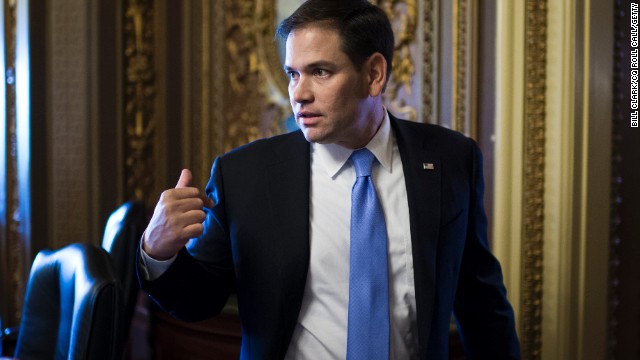
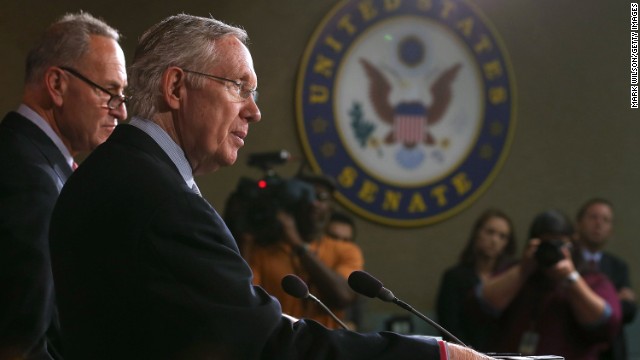
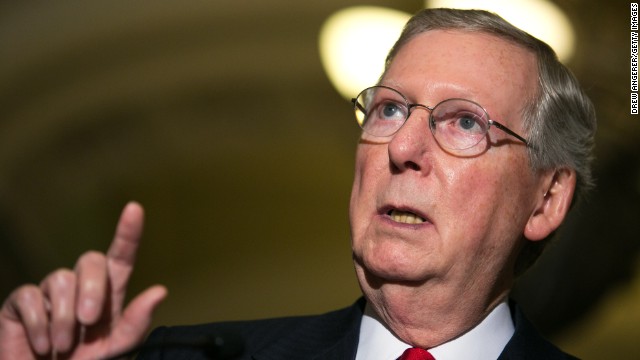
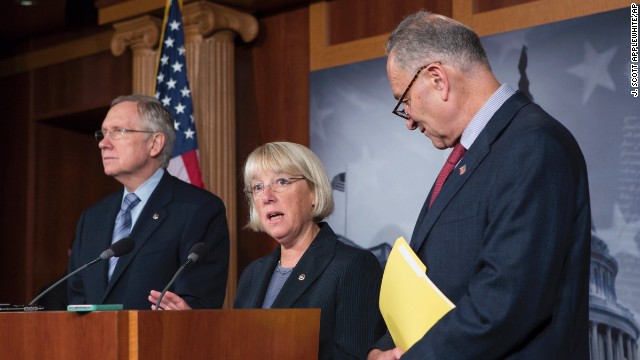
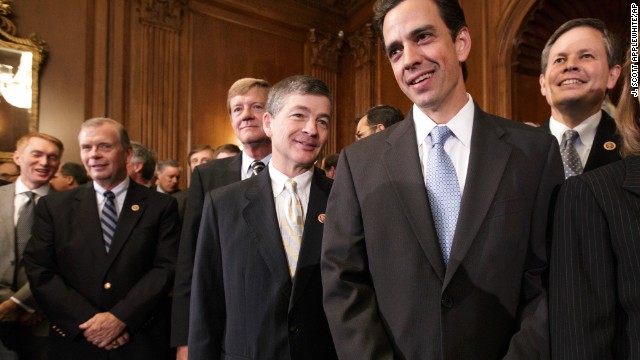
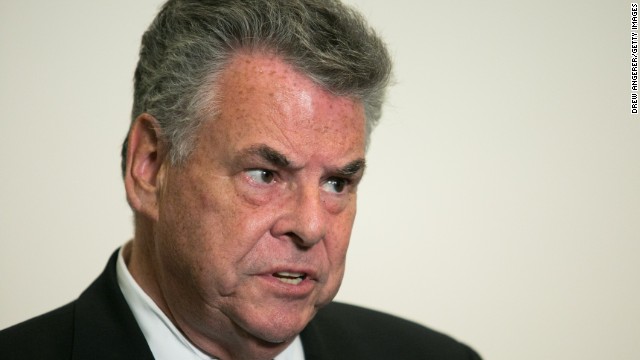
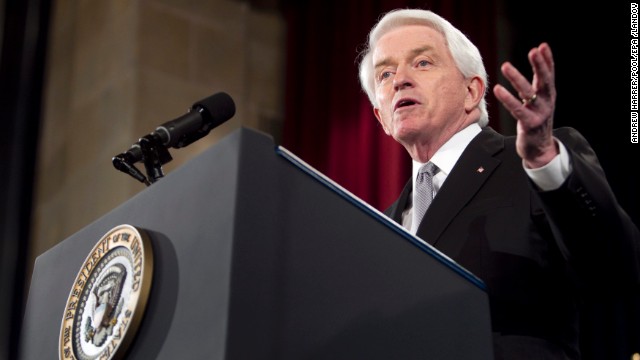
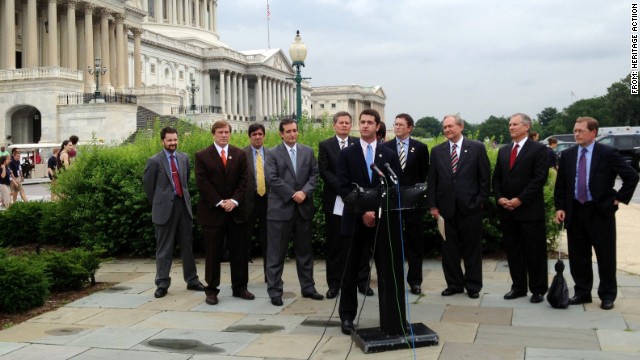
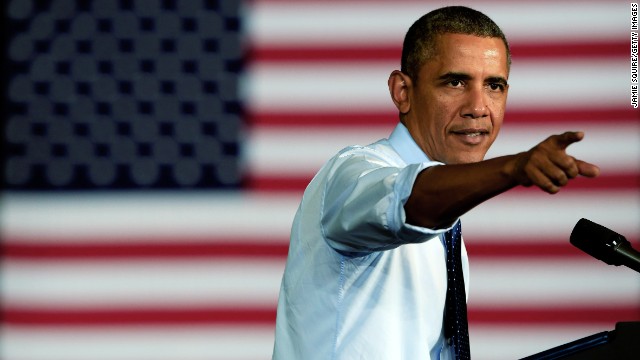
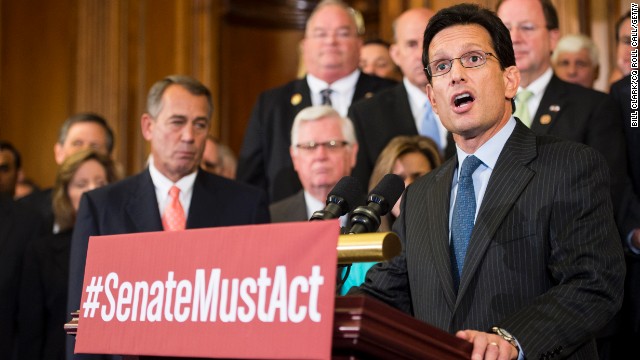
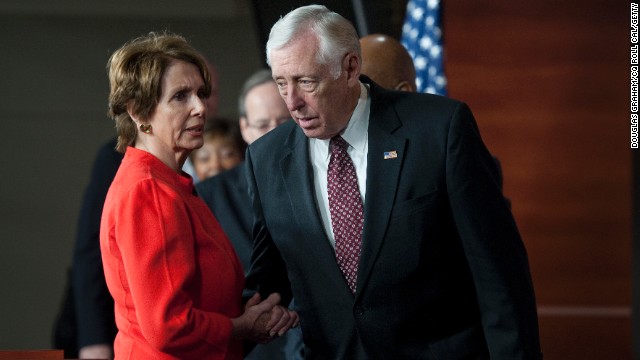
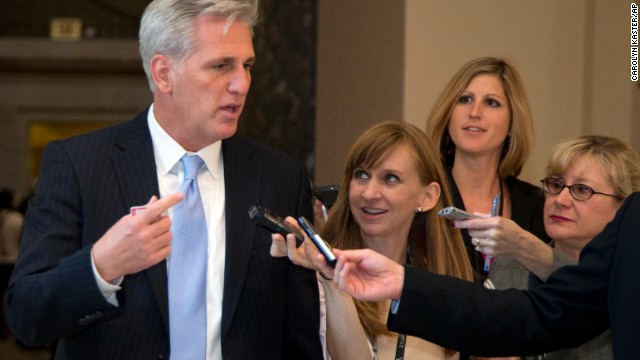
Key players in the shutdown debate
Key players in the shutdown debate
Key players in the shutdown debate
Key players in the shutdown debate
Key players in the shutdown debate
Key players in the shutdown debate
Key players in the shutdown debate
Key players in the shutdown debate
Key players in the shutdown debate
Key players in the shutdown debate
Key players in the shutdown debate
Key players in the shutdown debate
Key players in the shutdown debate
Key players in the shutdown debate
Key players in the shutdown debate
Key players in the shutdown debate
Key players in the shutdown debate
Key players in the shutdown debate

1

2

3

4

5

6

7

8

9

10

11

12

13

14

15

16

17

18
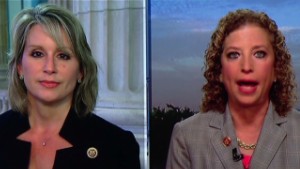
Republican Rep. Renee Ellmers of North Carolina said on CNN's "New Day" that her party continues to be deeply concerned about Tuesday's scheduled opening of Obamacare health insurance exchanges and "keeping the checkbook out of Barack Obama's hands and the damage can be done there."
Get up to speed on the showdown
Rep. Debbie Wasserman Shultz, D-Florida, appearing alongside Ellmers, characterized the Republican strategy of tying overall government operations to at least a delay in health care changes as "irrational."
"It jeopardizes the economy and it makes no sense," she said.
Obama told reporters he wasn't resigned to a shutdown, but he signaled its likelihood even as he indicated possible talks with congressional leaders.
"I suspect that I will be speaking to the leaders today, tomorrow and the next day," Obama said at a joint appearance with visiting Israeli Prime Minister Benjamin Netanyahu, who acknowledged the Washington brouhaha by thanking the president for meeting with him "on what I know is a very busy day for you."
The latest plan rejected by Senate Democrats would have delayed Obamacare for a year and repealed a tax on medical devices.
Last week, the Senate voted down a House GOP plan to eliminate funding for Obamacare in a short-term spending plan to keep the government running in the new fiscal year that begins Tuesday.
House Speaker John Boehner now must decide how to respond with the Senate again rejecting attempts to halt Obamacare. He could put a "clean" spending provision to a vote.
On CNN, Wasserman Schultz predicted that such a measure would pass easily with support from all Democrats and more moderate Republicans.
Some Republicans expressed frustration Monday with the tactics of their congressional colleagues. Veteran GOP Sen. John McCain of Arizona noted that any attempt to repeal Obamacare would fail because of Obama's veto, which would require a two-thirds majority in the Senate to overcome.
"There's not 67 votes in the United States Senate, therefore, ergo, we're not going to repeal Obamacare," McCain said. "Okay? That's it. We may do this for a day. We may do it for a week. We may do it for a month. It's going to end up the same way. "
GOP Rep. Charlie Dent of Pennsylvania told CNN Chief Congressional Correspondent Dana Bash that whichever party was to blame, a shutdown will make everyone look bad.
"At this point, the hourglass is nearly empty," Dent said. "Now that we've sent over two volleys to the U.S. Senate and they rejected both."
Trying again would only yield the same result, he continued, adding that "sooner or later, we have to pass a clean resolution to fund the government before the end of the day."
"I believe the votes are there to do it," Dent said.
10 ways the shutdown would affect you
Obama and Democrats reject what they call Republican efforts to use the threat of a government shutdown to force negotiations on the president's signature health care reforms.
Noting that the 2010 Affordable Care Act has been upheld by the Supreme Court, they say it is settled law that voters endorsed last year by re-electing Obama over GOP candidate Mitt Romney, who campaigned on repealing it.
Obama said Monday that a simple solution to avoid a government shutdown was to "set aside the short-term politics" and instead focus on a long-term budget deal.
"It simply requires everybody to act responsibly and do what's right for the American people," he said.
A new CNN/ORC poll shows that Americans are not happy about the prospect of a shutdown, which is happening because Congress has been unable to pass a budget for the new fiscal year that begins Tuesday.
A game of chicken between Dems, GOP
According to the poll, 68% of Americans think shutting down the government for even a few days is a bad idea, while 27% think it's a good idea.
And it appears most Americans would blame congressional Republicans for a shutdown: Sixty-nine percent said they agreed with the statement that the party's elected officials were acting like "spoiled children."
Democrats, however, weren't far behind: Fifty-eight percent of respondents said they too were acting like spoiled kids.
Stock traders also seemed solidly against a shutdown. The Dow Jones Industrial Average fell nearly 1 percent and the other two major indexes were also lower.
Among major economic issues that could result from a shutdown: delays in processing FHA housing loan applications -- a potential drag on the housing recovery -- and the potential loss of government spending that's helping prop up the economy, said Christine Romans, host of CNN's "Your Money."
"You've got an economy right now that's very tied to government spending and government contracts, so that could have a ripple effect all across Main Street," she said on CNN's "New Day."
If the government does shut down, it would be the first time it has happened since 1995. That shutdown, sparked by a budget battle between Democratic President Bill Clinton and a Republican Congress, went on 21 days.
CNN Poll: GOP would bear the brunt of shutdown blame
While the military will remain on duty, as will many essential public safety, health and welfare operations, many government offices will close. About a quarter of the federal government's 3.3 million employees -- those frequently referred to as "nonessential" -- will be told to stay home from work until the shutdown is over.
Attorney General Eric Holder and Defense Secretary Chuck Hagel said essential crime prevention and military services would continue, but some workers would be furloughed. Holder said he would cut his pay by the same amount as the most severely affected Justice Department employees because "we are all in this together."
Meet the man behind the government shutdown
CNN's Michael Pearson, Holly Yan, Ted Barrett, Lisa Desjardins and Deirdre Walsh contributed to this report.
