
- NEW: The shutdown of the complex may have been costly, an analyst says
- South Korea responds positively to the North's proposal of talks
- Seoul says the timing of the talks will be announced later
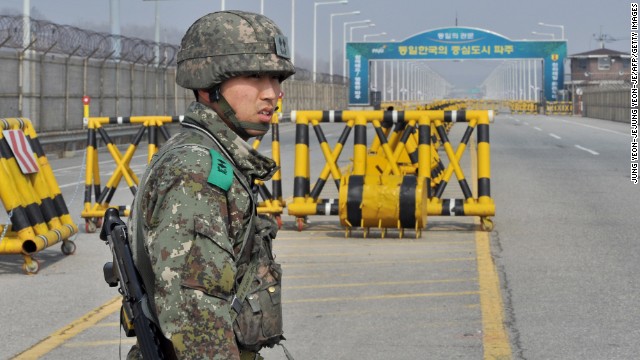
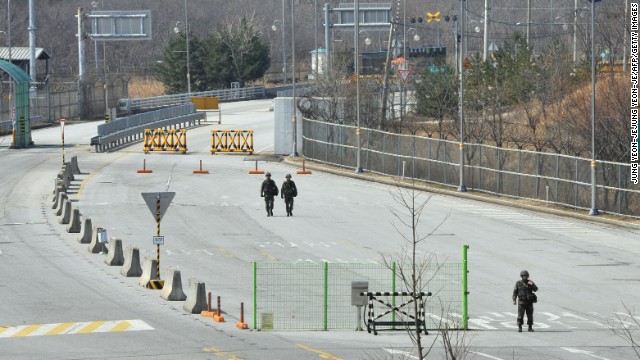
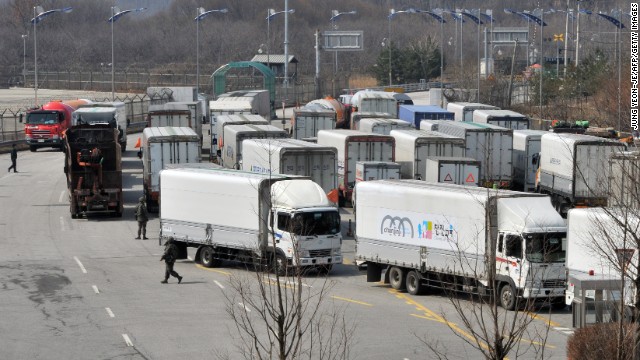
- North Korea stopped operations at the shared industrial zone in April amid tensions
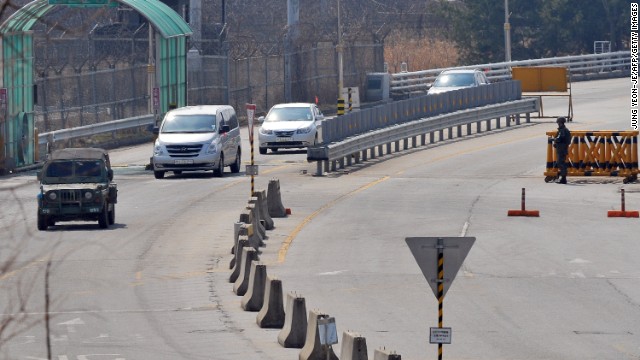
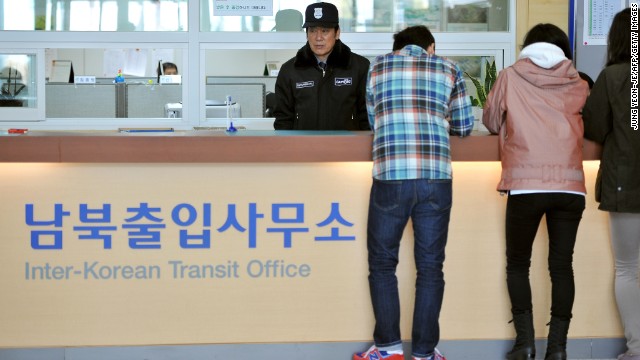
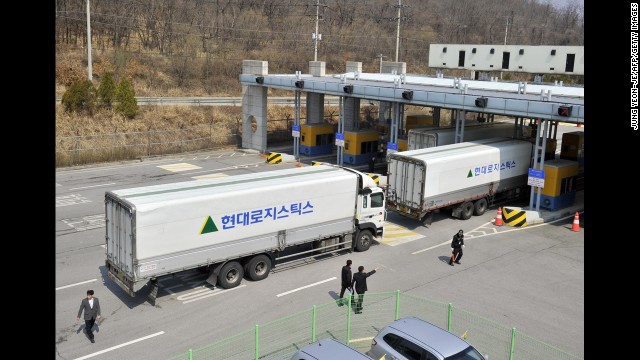
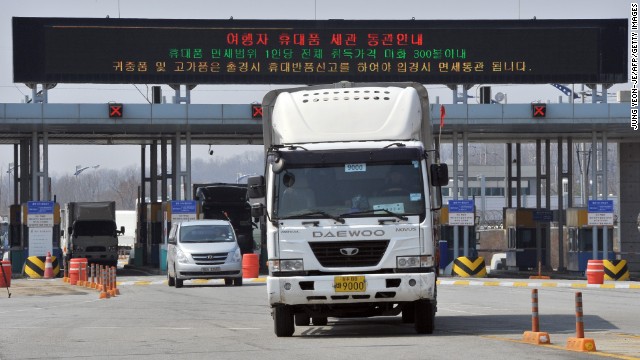
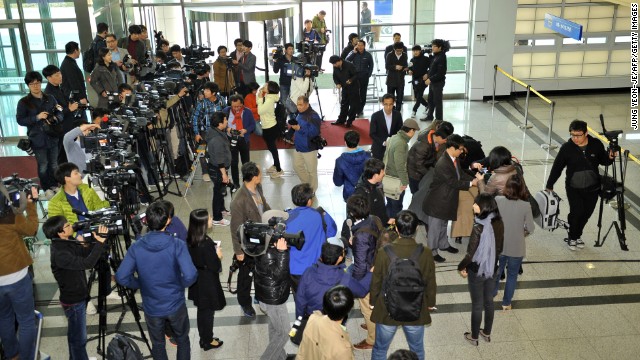
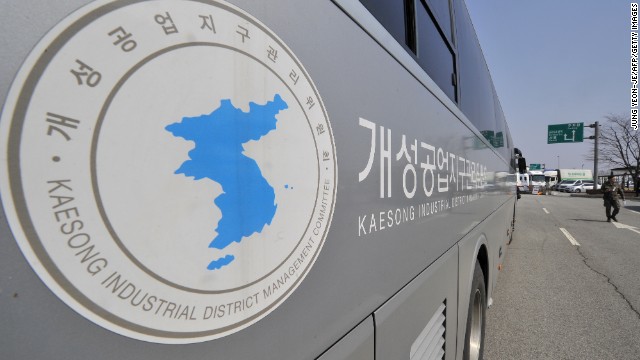
Seoul, South Korea (CNN) -- After months of unsettling tensions, North and South Korea tentatively agreed Thursday to hold talks about reopening their shared manufacturing zone where Pyongyang halted activity in April.
The North proposed the meeting to discuss the shuttered Kaesong Industrial Zone -- a major symbol of cooperation between the two countries -- along with other issues in a statement published by state-run media.
"The venue of the talks and the date for their opening can be set to the convenience of the south side," it said.
The South Korean Unification Ministry responded positively, saying, "We hope the talks between the two authorities will be a great opportunity to build trust between South and North."
It said the timing, agenda and other aspects of the talks would be announced later.
As tensions flared on the Korean Peninsula in April, Kim Jong Un's regime began blocking South Koreans from entering the Kaesong complex, which sits on the North's side of the heavily fortified border and houses the operations of more than 120 South Korean companies.
Pyongyang then pulled out the more than 50,000 North Koreans who work in the zone's factories, saying it was temporarily suspending activity there. The last South Koreans in the zone left last month.
The North Korean decision to halt operations surprised some observers, since Kaesong was considered an important source of hard currency for Kim Jong Un's regime.
The proposal of talks of the complex indicates that "maybe the cost of closure of Kaesong is greater than they had anticipated," said Daniel Pinkston, a senior analyst for the International Crisis Group covering Northeast Asia.
At the same time, Pinkston said, North Korea's key ally China, which has expressed displeasure with some of Pyongyang's recent behavior, may not have been "as generous as the North Koreans have been expecting in terms of aid, assistant, trade and investment."
The North's menacing rhetoric against the United States and South Korea hit a fever pitch in March and April after the U.N. Security Council voted in March to slap tougher sanctions on the regime and amid U.S.-South Korean military drills in the region. The U.N. sanctions were in response to the North's third underground nuclear test, which took place in February.
The U.S.-South Korean military exercises have since ended, and Pyongyang has toned down the frequency and intensity of its threats.
North Korea's behavior suggests it was willing to "go to the brink and try to rattle" the new South Korean President Park Geun-hye and other governments, Pinkston said.
"But I don't think that really happened," he said. "South Korea and its allies in the international community demonstrated their resolve and unwillingness to back down in the face of North Korean rhetoric."
The North's statement Thursday also proposed that the potential talks cover other issues besides the Kaesong complex. It mentioned the possibility of resuming cross-border tours at Mount Kumgang, a North Korean resort where a South Korean tourist was shot by a North Korean soldier in 2008 after allegedly walking into an off-limits area.
Pyongyang said the talks could also include "humanitarian issues" such as "the reunion of separated families and their relatives."
A positive South Korean response to the proposals could result in the reestablishment of cross-border communications channels that Pyongyang severed during the recent bout of tensions, the statement said.
It did not, however, mention anything about the North's controversial nuclear and missile programs, which lie at the heart of the tensions surrounding North Korea.
Kim Jong Un's regime chose a symbolic date on which to make its offer of talks. June 6 is Memorial Day in South Korea when citizens commemorate those killed while fighting to protect the country, including during the Korean War in the early 1950s.
CNN's K.J. Kwon reported from Seoul, and Jethro Mullen reported and wrote from Hong Kong.
