


1

2

3

4

5

6

7

8

9

10

11

12

13

14

15

16

17

18

19

20

21

22

23

24

25

26
- Lance Armstrong stripped of his seven Tour de France titles on Monday
- The American accused of systematic drug use by United States Anti-Doping Agency
- Eleven of the Texan's former teammates testified against him in USADA report
- Armstrong has stepped down as chairman of the Livestrong Foundation
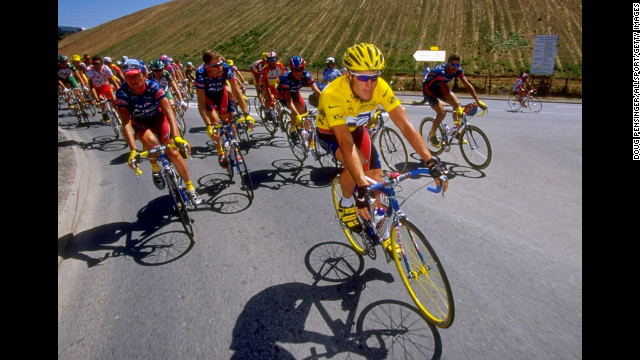
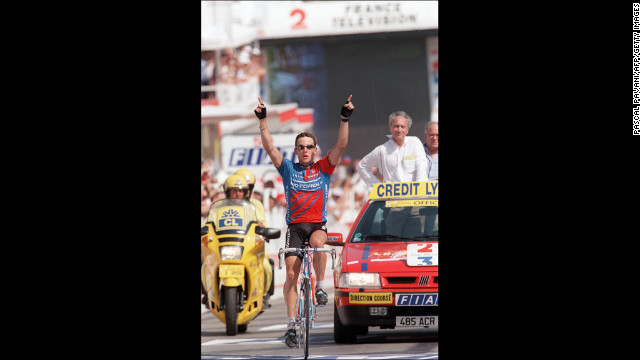
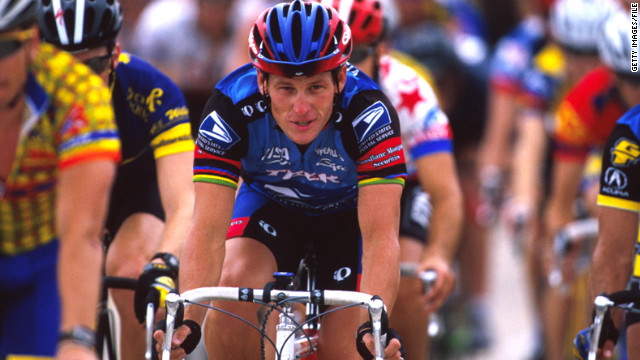
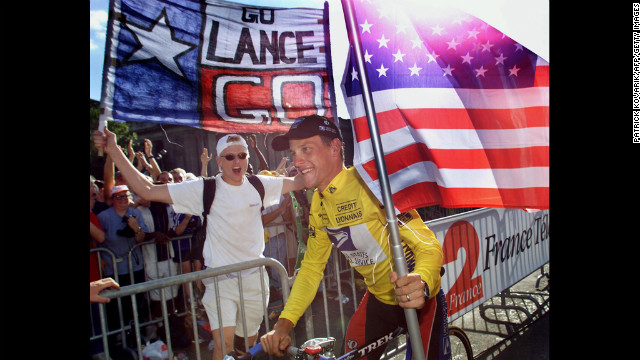
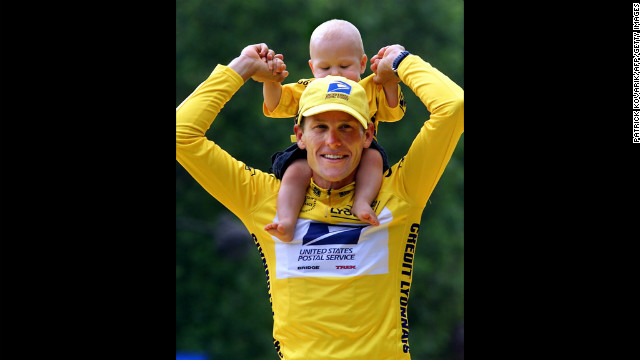
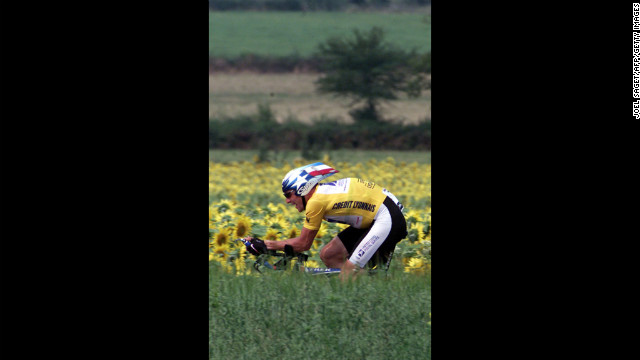
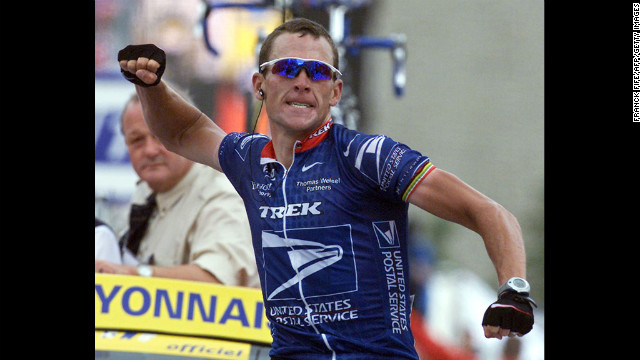
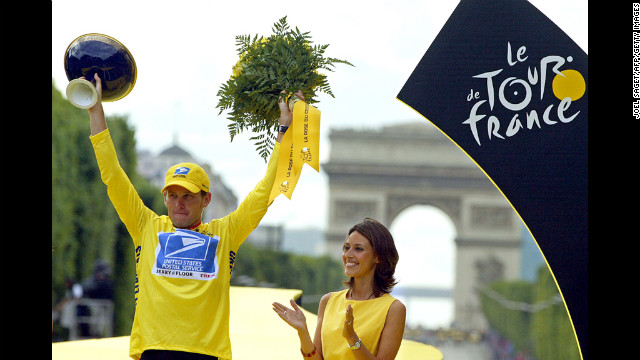
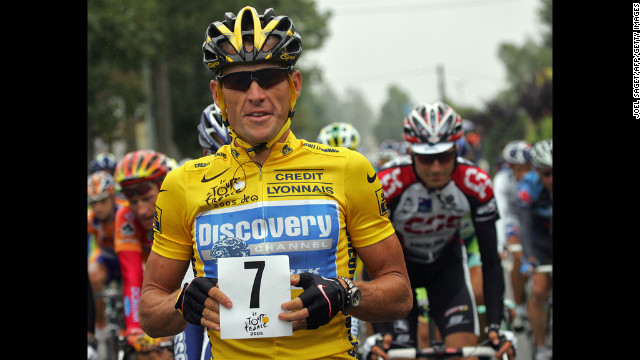
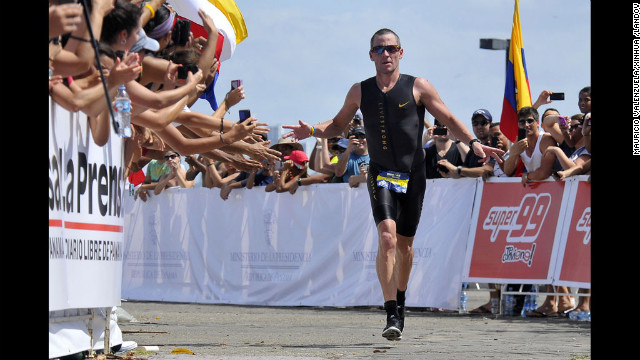
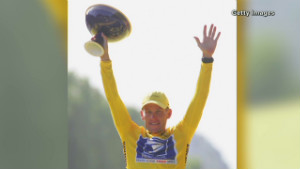
(CNN) -- Lance Armstrong bestrode the sport of cycling like a colossus between 1999 and 2005. His feat of winning seven consecutive titles at the Tour de France -- arguably the world's toughest sporting event -- was like the demigod Hercules completing his "Twelve Labors."
Armstrong's achievements seemed all the more extraordinary given his testicular cancer diagnosis in 1996 and his against-the-odds recovery.
His best-selling autobiography "It's Not About the Bike: My Journey Back to Life" in 2000 helped give birth to the Armstrong legend, as it recounted his fight for life against a disease that had spread to his lungs, abdomen and brain before he underwent radical treatment and went on to win his first Tour in 1999.
This was a sporting story gave hope to millions across the world.
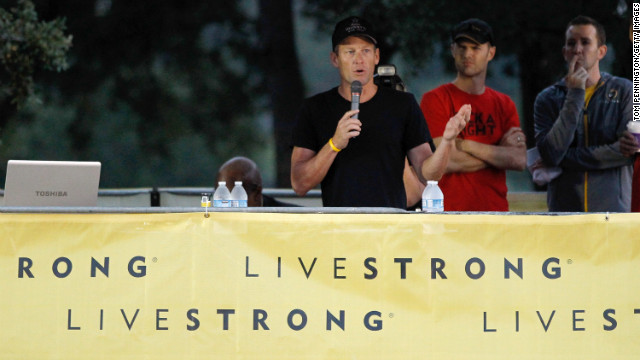
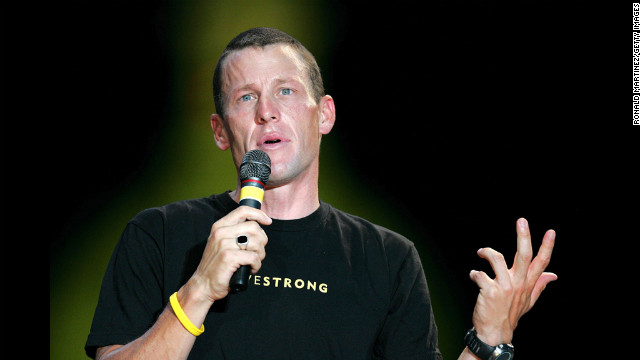
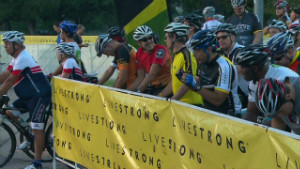
The Texan's battle with cancer led him to set up the Livestrong foundation in 1997, which according to its website has raised close to $500 million in the battle against the disease -- thanks in no small part to the charity's iconic yellow wristbands.
Read more: Armstrong loses Tour titles

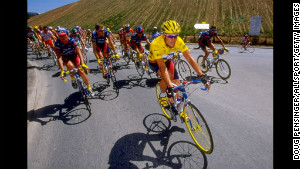

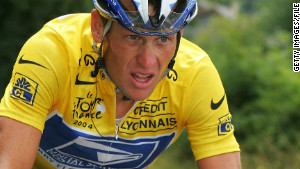
His heroic story attracted an army of fans and lucrative sponsorship deals with big corporations such as Nike and the Anheuser-Busch brewery.
But then came the fall from grace. A demise that is like a Greek tragedy, which is now only awaiting an act of contrition or recognition (anagnorisis) from the 41-year-old as he faces up to the extraordinary body of evidence the United States Anti-Doping Agency has put together.
A positive test for a banned substance during his first Tour de France win in 1999 was explained away by a prescription for a cream to treat saddle sores, but the doubts and rumors surrounding Armstrong refused to go away.
The 2004 book "L.A. Confidential: The Secrets of Lance Armstrong" by journalists David Walsh and Pierre Ballester alleged the use of performance-enhancing substances.
Read more: Armstrong appeals to supporters
A key witness for Walsh and Ballester, and then the USADA, was Emma O'Reilly -- formerly a masseuse/personal assistant to Armstrong and his cycling team, U.S. Postal Service.
She told the agency she engaged in clandestine trips to pick up and drop off what she assumed were doping products, and said she was in the room when Armstrong and two other team officials came up with a plan to backdate a prescription for corticosteroids for a saddle sore to explain a positive steroid test result during the 1999 Tour de France.
"Now, Emma, you know enough to bring me down," she says Armstrong told her after the meeting.
"The quote has got a bit dramatized," she said. "History has shown that I didn't have enough to bring him down, and I never wanted to bring him down. Never, ever wanted to bring Lance down."
Doping was commonplace in cycling in the '90s, O'Reilly said, as integral to the sport as the bikes that bore riders up and down the French hillsides. She said she tried to distance herself from doping activities but felt some pressure to co-operate.
Read more: Should you wear a Livestrong bracelet?
She said she first came across doping by U.S. Postal in 1998, when she said a man gave her a package that he described as testosterone for team cyclist George Hincapie. The man, whose name is redacted from the affidavit, warned her not to travel to the United States with it, O'Reilly said.
Hincapie acknowledged using banned substances in his affidavit to the USADA and in a statement released the same day.
That same year, she says, Armstrong gave her a small plastic-wrapped package after a race in The Netherlands and asked her to dispose of it. O'Reilly said Armstrong told her it "contained some things he was uneasy traveling with and had not wanted to throw away at the team hotel."
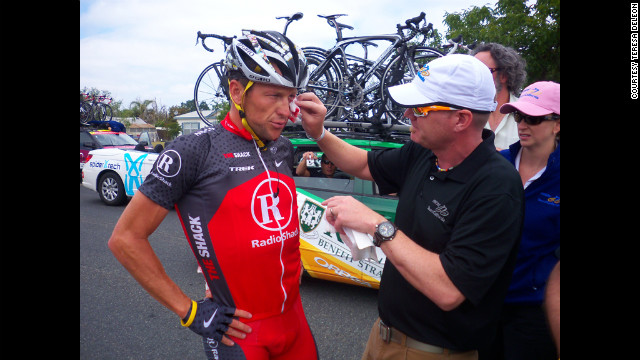
O'Reilly also recounted buying makeup for Armstrong to conceal what she said he described as bruise from a syringe injection during a race.
While O'Reilly said she never saw Armstrong use banned substances -- though she felt sure that he did -- Tyler Hamilton had a different story, saying "the first time I ever blood-doped was with Lance" and that his teammate was well aware and involved with everything that happened.
The publication of "L.A. Confidential" led to a raft of lawsuits. Armstrong sued British newspaper The Sunday Times, which published an article referencing the book, before eventually reaching an out-of-court settlement.
Read more: U.S. Postal team doping 'predates Armstrong'
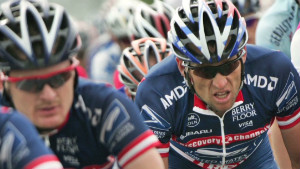
Over time, a host of riders who had raced alongside Armstrong with the U.S. Postal Service team between 1998 and 2004 began to cast doubt on his unparalleled achievements.
In 2010 Floyd Landis, a disgraced former rider who was stripped of the 2006 Tour de France title for doping offenses, claimed he and Armstrong had both taken prohibited substances while teammates at U.S. Postal Service.
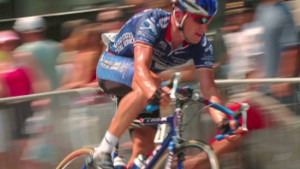
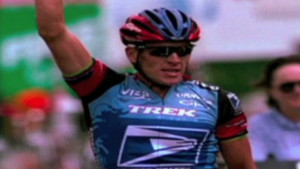
Armstrong remained staunch in his denial of doping allegations, but former colleagues such as Hamilton continued to make claims of wrongdoing.
The American, who has since been stripped of the gold medal he won at the 2004 Olympic Games, admitted to doping while also pointing the finger at Armstrong.
The drip of allegations refused to go away, until it become a flood earlier this month with the report released by the USADA.
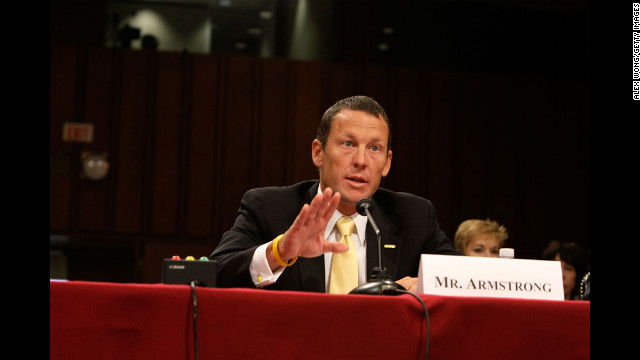
It accused him of being part of "the most sophisticated, professionalized and successful doping program that sport has ever seen." The report included evidence from 26 people -- 11 of whom were Armstrong's former teammates.
Read more: USADA - 'Evidence overwhelming'
Armstrong maintains that he has been subjected to 500 drug tests and failed none, but the fallout from USADA's 202-page report has been catastrophic for the American.
In addition to losing the Tour titles he won between 1999 and 2005, he also faces being stripped of bronze medal he won at the 2000 Olympic Games.
Livestrong has not emerged from the scandal unscathed, with Armstrong forced to step down from his role as chairman.
Armstrong's situation could yet get worse, with reports suggesting cycling's governing body the UCI could seek to reclaim the millions he secured in prize money during his halcyon years.
The Sunday Times could also look to take back the money awarded to Armstrong in the "L.A. Confidential" case.
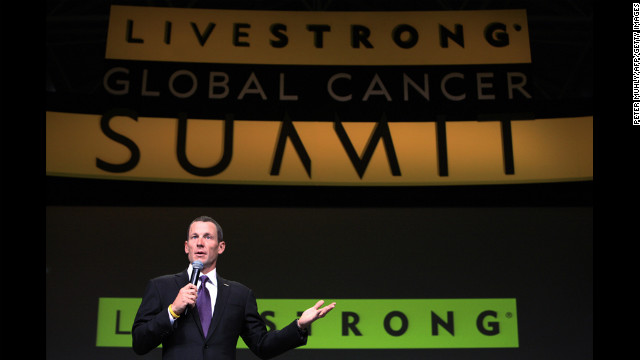
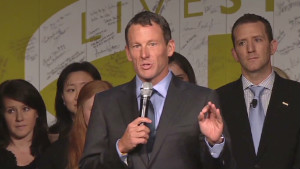
Despite the darker days which could yet lay in wait, Armstrong is putting on a brave face, telling his supporters at a Livestrong charity event in Texas: "I've been better, but I've been a lot worse."
Armstrong's words might be true, but there can be no doubt that the sport he seemingly did so much for has never been in a hole quite as deep as the one his fall from grace has created.

