




1

2

3

4

5

6

7

8

9

10

11

12
- What is the administration's argument for targeting U.S. citizens on U.S. soil?
- There is no drone law, or precedent, CNN's legal analyst says
- Debate has united strange bedfellows -- Democrats, Republicans, ACLU
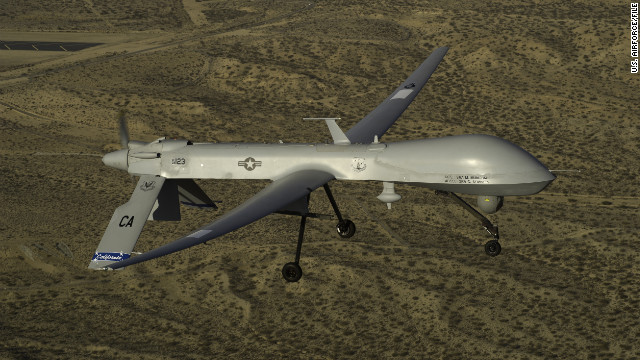
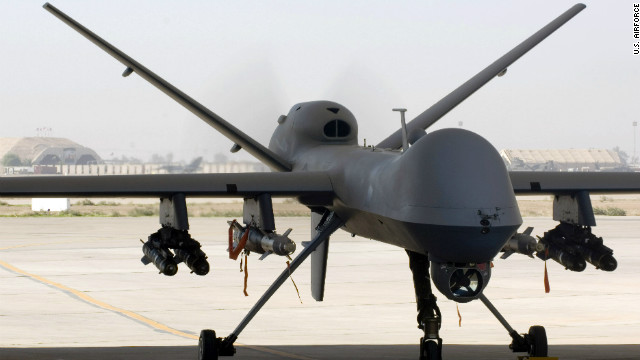
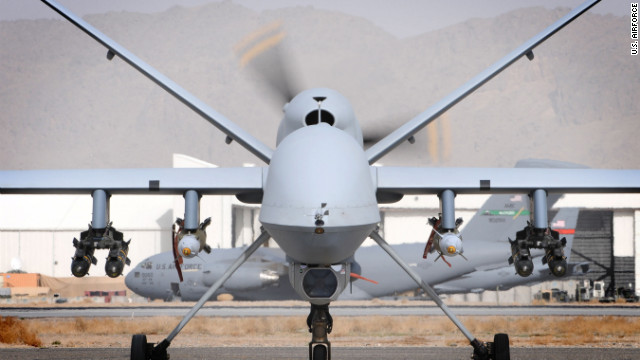
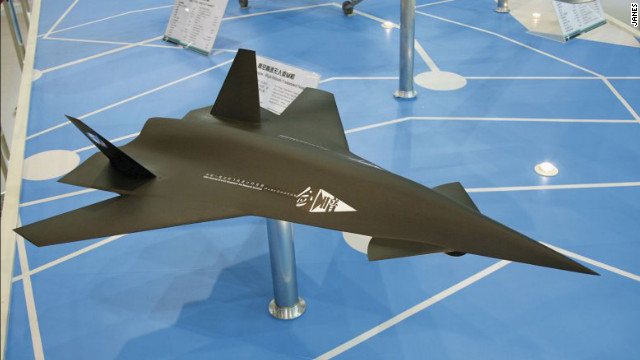
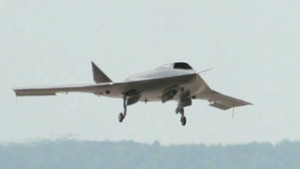
(CNN) -- Since 9/11, the United States has increasingly relied on drones to kill its enemies and to chip away at terrorism around the globe. Drone warfare has always been a controversial method of war. But it became virtually sensational during the heated discussion over John Brennan's nomination to be CIA chief.
Responding to a question stemming from that discussion, Attorney General Eric Holder said this week he would not entirely rule out the possibility that a drone strike could be ordered against Americans on U.S. soil. He said that had never been done, and it would happen only under extraordinary circumstances.
A to Z: The drone program


That ignited further intense debate.
The United States should do everything to stop a terror attack in progress, nearly every agrees. But does that also mean the president has the right to target an American citizen believed to be a terrorist within U.S. borders?
What's President Obama's argument?
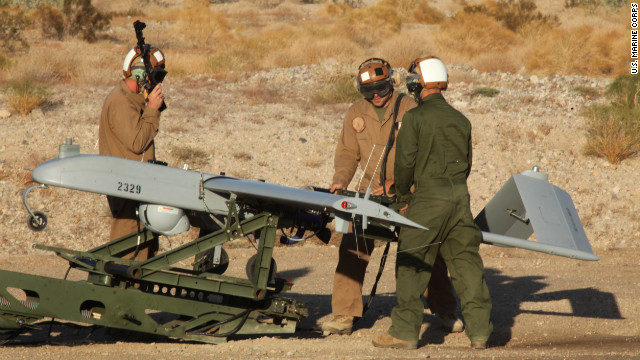
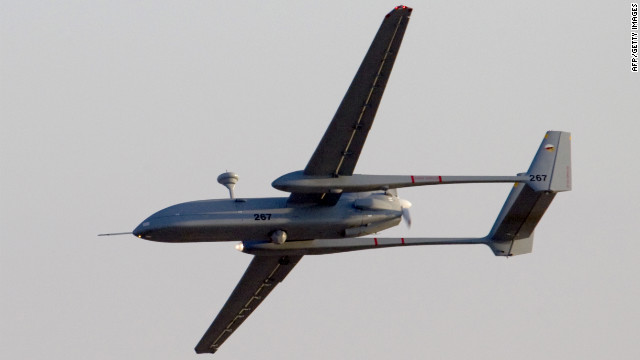
For some time, the administration has fervently defended the drone program in general, boasting that it has helped decimate al Qaeda and saved the lives of troops that might otherwise be involved in ground attacks.
The United States has carried out 349 "CIA drone strikes" in Pakistan and 61 in Yemen, according to Washington-based non-partisan think tank The New America Foundation.
When it comes to drone strikes in Indiana or New York, the administration insists the unmanned machines could be used when an imminent threat to the United States is clear. Drone strikes on U.S. soil could be necessary when capture isn't feasible, the administration says. Dealing with a 9/11 or a Pearl Harbor-style attack -- or one that seems very likely -- could justify a domestic drone strike, Holder said.
What law or precedent might support their argument?
CNN legal analyst Jeffrey Toobin said there is no law on drone strikes. "Police officers use weapons on American citizens all the time," he said. "This is just another weapon."
The Supreme Court has held that the military may constitutionally use force against a U.S. citizen who is a part of enemy forces. But that's not in the United States.
Again, there is other documentation about drone use against U.S. citizens abroad. Consider a Justice Department memo, given to select members of Congress last year, that says the U.S. government can use lethal force against American citizens overseas who are operational leaders of al Qaeda or its affiliates.
One high-profile example of a U.S. citizen killed in a strike overseas is Anwar al-Awlaki, a radical cleric born and educated in the United States. A drone killed him in Yemen in 2011.
Who are the most vocal opponents?
The pushback against the administration has united unlikely bedfellows.
Republicans and Democrats are both dubious of drones hovering over Americans.
This week Sen. Rand Paul, a Kentucky Republican, became a vocal opponent of targeting Americans inside the country. He talked for nearly 13 hours in a filibuster on the Senate floor, driving home his fear that an American citizen might lose his or her rights while within the nation's borders.
The filibuster was designed to hold up Senate approval of the Obama's nominee for CIA director until Paul got a solid answer on whether the president has the authority to order a drone attack on an American on U.S. soil who is not engaged in combat.
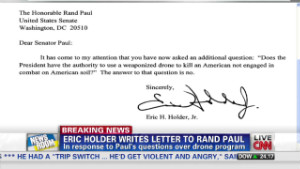
In response to Paul's filibuster, Holder sent him a letter Thursday saying the president does not have the authority to use a drone to kill an American not engaged in combat on U.S. soil.
Paul said he was satisfied with the Justice Department response. The Senate approved the nomination of Brennan.
The GOP isn't standing as one voice over anti-terrorism tactics. Sens. John McCain and Lindsey Graham assailed Paul's filibuster.
"All I can say is that I don't think that what happened yesterday is helpful to the American people," McCain, R-Arizona, said on the Senate floor Thursday.
At one point in his filibuster, Paul said there would be nothing stopping the United States from dropping a missile on Jane Fonda, who actively protested the Vietnam War in the 1970s.
McCain, who admitted Fonda wasn't his "favorite American," was peeved by Paul's argument.
"Somehow to allege that the United States of America -- our government -- will drop a drone Hellfire missile on Jane Fonda, that brings the conversation from a serious discussion about U.S. policy to the realm of the ridiculous," he sniped.
An ACLU lawyer called Obama the "judge, jury and executioner" in the matter, and said he agreed with Paul.
What are the political overtones here?
The debate, in a larger way, is about the struggle between the executive and legislative branches and which wields authority in such matters.
There are also questions about how the issue might affect the next presidential election, when Obama's two terms will be up. Paul has hinted that he may run in 2016. The next president will likely, at least until challenged, assume the same authority Obama has regarding drone strikes.
But Micah Zenko with the Council on Foreign Relations, an expert on drones and terrorism, cautions against too many predictions.
"This is such a fast-moving issue and many parts are still being decided," he said.
"But I would add that if you look at how the topic played out in the last election, there was one question on drones in the third debate and both candidates thought about it for 10 seconds and agreed they were great," he said. "Maybe next time it will take 20 seconds before they say that."
What's the larger issue at stake?
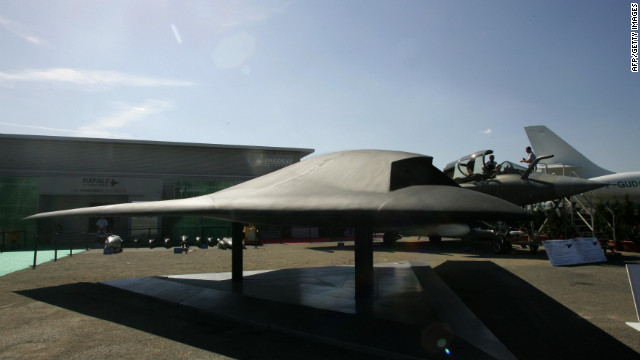
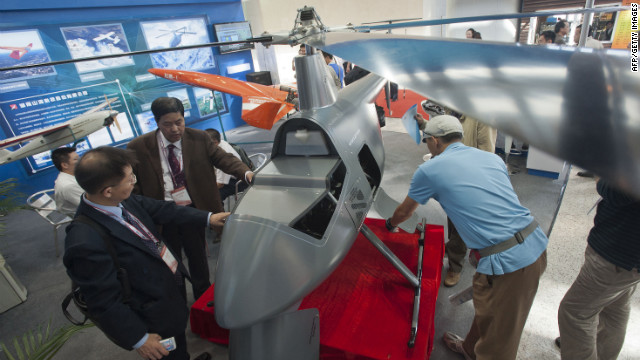
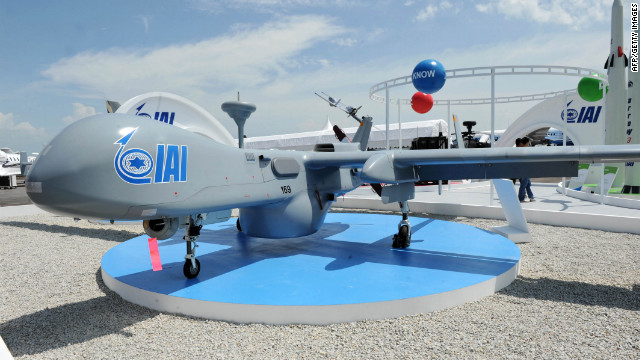
Drones are becoming more common in general, and technology cannot be stopped, experts say. Controlling the technology and its capabilities will be incredibly difficult. So that will make the idea of transparency even more important.
There has been "a means of dealing with imminent threat in this country -- it's the police, a time honored way of dealing with the guy who comes into Congress with a grenade launcher," said Tom Junod, an Esquire magazine writer who has written about Obama and the drone program. "We wouldn't be talking about this if we didn't suddenly have this technology ability of taking out anybody we wish.
"It's the technology that has extended the arm of the law and executive attention."
The question for Americans is how far they want the president's arm to reach.
